

Finnish Investors Need a Nudge
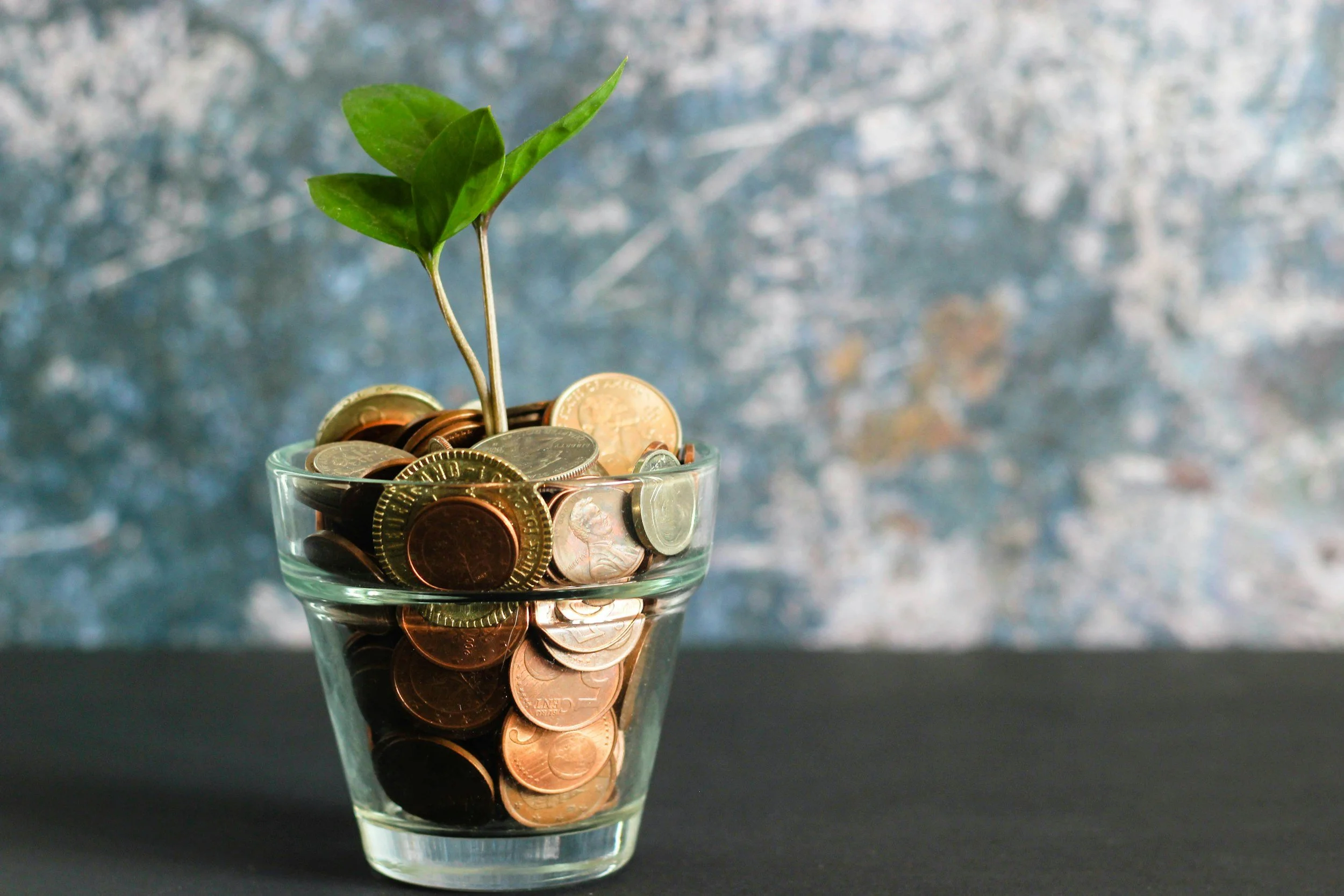
Finnish households are currently holding €115 billion in bank deposits[1], an all-time high. This represents 53% of households’ total financial assets[2]—more than their combined stock, mutual fund, and bond holdings. Such a concentration in cash is hardly an optimal asset allocation, especially considering that the average Finn is only 44 years old[3]. While these figures are rough averages, the underlying point remains clear: Finnish households are far more conservative than might be ideal for long-term wealth building.
Yesterday, the Financial Times highlighted Europe’s competitiveness challenges vis-à-vis the US and China, noting Europeans’ risk-averse nature as a key factor limiting the availability of risk capital to support growth and innovation[4]. This same risk aversion may explain Finnish households’ cautious financial behavior. The FT suggested government policy interventions to encourage more risk-taking among citizens, citing, for example, the Swedish pension system as a positive example.
This prompted me to consider the wealth of Finnish households, a topic I’ve been following closely and was interviewed about in Kauppalehti[5]. According to the UBS Global Wealth Report 2025[6], Finland ranks 25th globally in average wealth per adult, at $183k, while our Nordic neighbours Denmark (6th), Norway (10th), and Sweden (14th) have much higher averages—$482k, $368k, and $334k, respectively. For the long-term health, well-being, and wealth of its citizens, it would be beneficial for Finland to climb higher on this list.
I believe the key to improving the situation is moving at least some of the idle cash in bank accounts into active investments—stocks, mutual funds, and bonds. There are many ways to achieve this, but as a strong believer in behavioral economics, I’d like to suggest a nudge[7] inspired by the Swedish pension system: allowing individuals to manage a small portion of their pension themselves. In Sweden, this amounts to 2.5% of annual pensionable income, compared with the 16% managed by the state[8].
Under this system, every individual has an investment portfolio they can actively manage. This offers multiple benefits, but most importantly, it makes investment management tangible and demonstrates the advantages of long-term investing, especially the compounding effect.
I argue that this kind of nudge could help Finnish investors recognize the benefits of allocating more of their savings into active financial instruments. On a broader scale, it might even have positive macroeconomic implications, as more capital could be unlocked to fund growth and innovation. To put this into perspective, Finland’s total private gross fixed capital formation was less than €50 billion in 2024[9], meaning even a modest shift of household savings could have a meaningful impact—assuming some of it were allocated to fund the growth and innovation of Finnish companies.
A nudge today for a wealthier Finland tomorrow
By giving Finnish households a small but tangible stake in their own pension investments, the Finnish government could create a visible incentive to turn idle private cash into growth, innovation, and financial confidence. Small nudges today can lay the foundation for a wealthier, more dynamic Finland—helping individuals build wealth while strengthening the country’s economic future.
References
[1] https://www.suomenpankki.fi/en/statistics/statistical-news/saving-and-investing/2025/household-deposit-stock-at-all-time-high-in-june/
[2] I.e. excluding real estate and other non-financial assets.
[3] https://stat.fi/the-average-finn.html
[4] https://www.ft.com/content/11001b88-632e-4521-8936-2ff1914399a1
[5] https://www.kauppalehti.fi/uutiset/a/1c39fff3-dba4-4d59-b88d-029c1fedadf6
[6] https://www.ubs.com/global/en/wealthmanagement/insights/global-wealth-report.html
[7] Much more on behavioural economics and nudges in Thaler, Richard & Sunstein, Cass (2021). Nudge: The Final Edition. Yale University Press.
[8] https://www.pensionsmyndigheten.se/other-languages/english-engelska/english-engelska/pension-system-in-sweden
[9] https://stat.fi/tup/suoluk/suoluk_kansantalous_en.html